You deserve to feel present in your life, not trapped in your thoughts.
Anxiety therapy for when you can't stop overthinking, second-guessing yourself, or worrying about your relationships.


Anxiety Therapy in Surrey, BC and Ontario
Online therapy across Ontario & BC
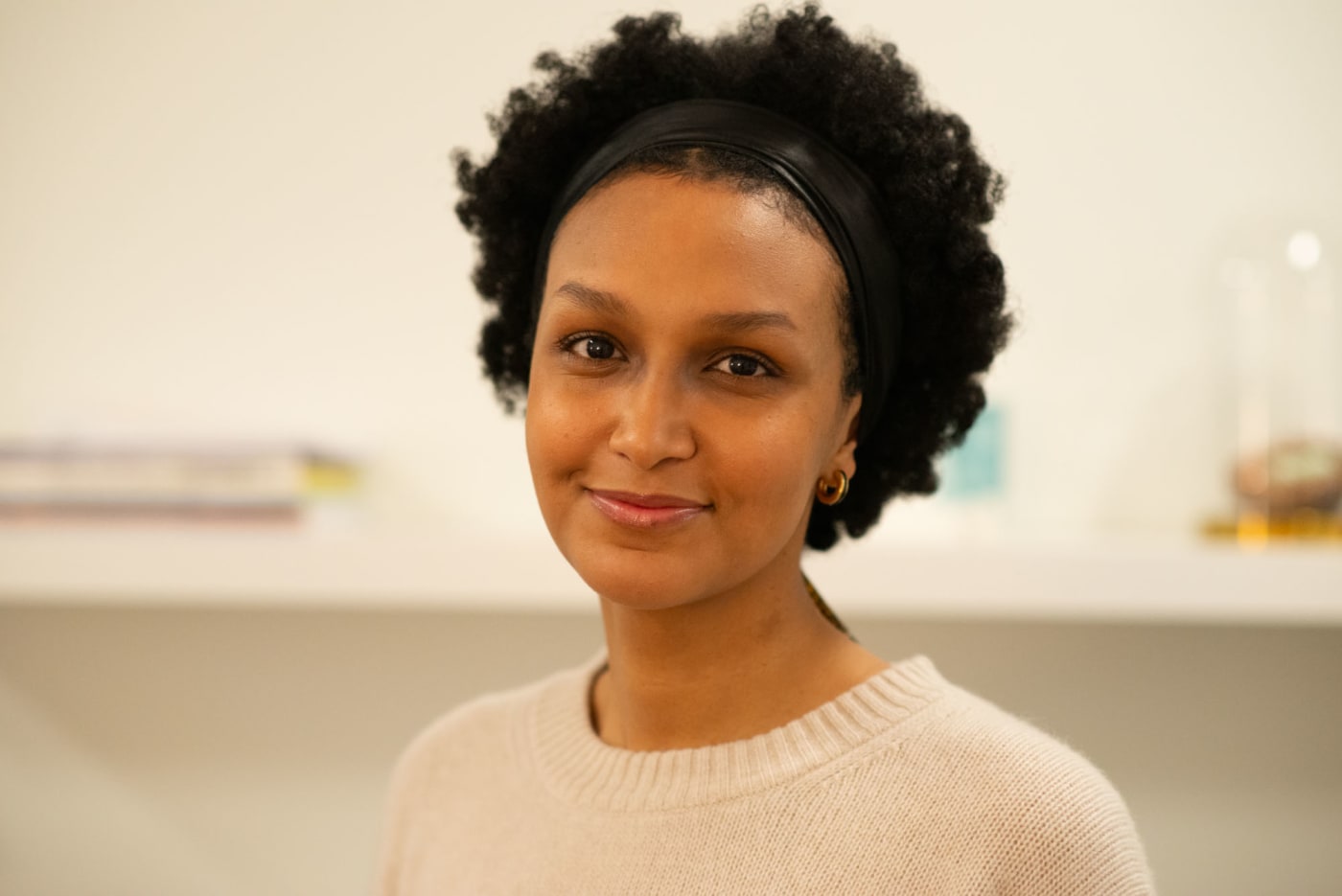
Aïda Retta
(she/her)
Registered Psychotherapist &
Registered Clinical Counsellor
RCC, RP
Anxiety can make it feel like you always need to be prepared.
Your mind may rarely feel completely off duty. You think ahead, replay what happened, notice changes in other people's moods, and try to work out what might happen next. It makes sense: your mind is trying to protect you from being caught off guard, making a mistake, being rejected, or getting hurt.
So it keeps working.
And staying this alert can be truly exhausting.
Anxiety can make uncertainty feel like something you have to solve.
When you do not know what is going to happen, your mind may keep searching for something that will help you feel sure. You replay, check, prepare, ask for reassurance, or think through the possibilities one more time.
Your mind has trouble letting things go
A conversation can be over, but you are still thinking about what you said, what they meant, or whether you missed something important.
Other people's reactions feel important
A change in someone's mood, tone, or behaviour can quickly leave you wondering whether something is wrong or whether you did something to cause it.
Decisions can feel unusually heavy
You may keep weighing the options, afraid of choosing wrong or wondering whether there is something you have not considered yet.

Hi, I’m Aïda 👋 If you have tried telling yourself to stop worrying or stop overthinking and it has not worked, we can slow things down together and understand what your anxiety is trying so hard to protect you from.
✓ Phone, video & in-person ✓ Current openings ✓ Evenings & weekends
Therapy can help you feel safe without needing to feel certain.
It is easy to imagine that anxiety would go away if you could finally figure everything out.
If you knew you made the right decision. If you knew someone was not upset with you. If you knew your relationship was okay. If you knew nothing bad was going to happen.
But life rarely gives us that kind of certainty. Therapy can help you develop something different: the ability to feel steadier inside yourself even when you do not know exactly what happens next.
The goal is not to stop caring, stop thinking, or stop needing other people. It is to know that you can stay connected to yourself even when things feel uncertain.

In therapy, you do not have to handle everything alone.
Hi! I’m Aïda. I work with people who think deeply, care deeply, and often spend a lot of energy trying to make sure everything and everyone is okay.
You may be used to figuring things out by yourself, or supporting other people. At the same time, you might find it harder to let someone stay with you when you feel afraid, uncertain, hurt, angry, or overwhelmed.
Therapy gives us a chance to experience something
You can disagree with me, ask questions, tell me when something does not feel right, or need more time. Over time, therapy can become a place where difficult feelings do not automatically mean you are alone with them.
Here is what anxiety therapy with me may look like.
We will not simply tell you to stop overthinking or reassure you that there is nothing to worry about. We will slow things down, understand what your anxiety is trying to protect you from, and help you experience something different.
Notice the pattern
We slow down the moments when anxiety takes over: replaying, checking, imagining the worst, seeking reassurance, or becoming focused on someone else's reaction.
Understand what feels at risk
We get curious about what the anxiety fears: rejection, making a mistake, disappointing someone, losing connection, feeling out of control, or being alone with something painful.
Experience something different
Instead of immediately solving, pleasing, checking, or escaping, we practise staying with difficult feelings while you have support, so you can learn that you do not always have to solve or escape them in order to be okay.
Over time, you may become more able to experience fear, uncertainty, hurt, anger, or need without becoming overwhelmed or losing yourself.
Anxiety can be a search for safety.
We do not learn how to handle big feelings entirely on our own. Relationships can help us learn that fear can be soothed, sadness can be shared, mistakes can be survived, and difficult emotions do not have to leave us alone.
When uncertainty, conflict, disappointment, or depending on other people has felt overwhelming, your mind may learn to rely on thinking, anticipating, and staying in control.
That can be protective. If you can see a problem coming, maybe you can prevent it. If you can understand what someone else is feeling, maybe you can protect the relationship. If you can find the right answer, maybe you will not have to feel so uncertain.
The problem is that staying prepared all the time can make it harder to learn that you can feel afraid, unsure, disappointed, or hurt and still find your way through it.
Therapy is not only about becoming better at arguing with anxious thoughts. It is also about developing a deeper sense that you can feel something difficult, ask for support, and stay connected to yourself even when you do not have all the answers.

You do not need to stop overthinking before you begin.
-
Book a free 30-minute Intro Call
Choose a phone or video time that works for you.
-
Tell me a little about what has been worrying you
You do not need to know where the anxiety comes from or explain it perfectly.
-
See how it feels to talk with me
We can decide together whether therapy feels like the right next step.
Phone, video & in-person · Current openings

Common questions about anxiety therapy.
What if I know I am overthinking but I still cannot stop?
That is common. Anxiety is not only a thinking problem. You can understand a situation one way logically while your body still responds as though something important is at risk. Therapy can help us work with the fear and emotion underneath the overthinking.
Can therapy help with anxious attachment?
Yes. Anxious attachment can involve becoming highly activated by distance or uncertainty in relationships, looking for reassurance, fearing rejection, or struggling to feel secure when you do not know exactly where you stand.
Is this therapy only for relationship anxiety?
No. I work with anxiety that can show up as overthinking, chronic worry, second-guessing, difficulty with uncertainty, fear of making mistakes, people-pleasing, and anxiety in relationships.
Will you just teach me how to stop anxious thoughts?
No. Thoughts matter, but we will also pay attention to emotions, body responses, relationships, and what your anxiety may be trying to protect you from.
What if talking about anxiety makes me more anxious?
We do not need to push you into feelings you are not ready for. We will work at a manageable pace and pay attention to what helps you feel supported while approaching difficult emotions.
Do you offer online anxiety therapy?
Yes. I offer in-person anxiety therapy in Surrey, BC and online therapy across British Columbia and Ontario.
You do not have to figure everything out before you can feel okay.
Anxiety may tell you that you need one more answer, one more sign, or one more piece of reassurance before you can finally relax.
Therapy can help you build something more lasting: a greater sense of safety and trust in yourself, even when you cannot know exactly what happens next.
Book a Free 30-Minute Intro CallIn-person anxiety therapy in Surrey, BC. Online therapy across Ontario and British Columbia.