★★★★★ 5.0/5 · 37 Reviews · Lumino Health
Feel good enough without needing approval.
Self-esteem therapy for when you look capable on the outside, but feel anxious, self-critical, or not good enough underneath.



Therapy for Low Self-Esteem in Surrey, BC and Ontario
Online therapy across Ontario & BC

Aïda Retta
(she/her)
Registered Psychotherapist &
Registered Clinical Counsellor
RCC, RP
Feeling like you are not good enough is painful.
Other people may see you as caring, thoughtful, or confident. But underneath, you're carrying the heavy feeling that you're not good enough.
These feelings can show up in everyday ways:
If this sounds like you, you've probably been carrying this for a long time.
Low self-esteem can quietly shape your whole life.
It can make it hard to know what you want or to ask for what you need. This can affect your work, your choices, and your relationships.
Unbalanced Relationships
You stay quiet when something is wrong, accept less than you need, or feel like you can never put yourself first.
Anxiety & Overthinking
You may replay conversations, doubt your choices, or feel like your mistakes are proof that you are not enough.
Holding yourself back
You might worry a lot about what others think, making you hold yourself back from what you really want.

Hi, I’m Aïda 👋 Reaching out can feel hard, but you don't need to know exactly what to say. We can start with what hurts right now and take it from there.
✓ Phone or video ✓ Current openings available ✓ Evening and weekend options
Therapy can help you trust yourself and take up more space.
Therapy is not about turning you into someone else. It is about helping you feel safer being yourself.
These changes take time. But little by little, you can feel less ruled by fear and more connected to your own voice.

You do not have to show up perfectly here.
I’m Aïda. I work with people who are used to watching themselves, saying the right thing, and worrying about how other people see them.
You do not need to explain everything perfectly or know where to begin. I will help guide the conversation, slow things down when you feel stuck, and gently share what I notice.
You are allowed to disagree with me, ask questions, or tell me when something does not feel right. Those moments are not a problem. They can become part of the work.
My goal is for therapy to become a place where you can be more honest, take up more space, and feel less afraid of being too much.
Here is what therapy with me may look like.
We will not rush to fix you. We will slow things down, make sense of what is happening, and help you try something new.
Notice the pattern
We look at the moments when you go quiet, doubt yourself, or say yes when you want to say no.
Understand what is driving it
We make room for the fear, shame, or old beliefs that keep the pattern going.
Try something new
We practise speaking more honestly, setting limits, and staying connected to yourself when things feel hard.
We will move at a pace that feels manageable while still making room for real change.
Getting started is simple.
-
Book a free 30-minute Intro Call
Choose a phone or video time that works for you. Ongoing therapy sessions are $160 for 60 minutes.
-
Tell me what has been hard
You do not need to prepare or explain everything perfectly.
-
See if the fit feels right
If it does, we can book your first therapy session.
Phone or video · Current openings available

Common questions about self-esteem therapy.
Can therapy help with low self-esteem?
Yes. Therapy can help you understand your self-doubt, notice how it shapes your life, and learn new ways to respond.
What if I have felt this way for years?
Change can still happen. Long-held patterns often need time, support, and steady practice.
What if I do not know what to say?
You do not need to know exactly what to say. I can help guide the conversation, and we can start with what feels easiest.
Do you offer online self-esteem therapy?
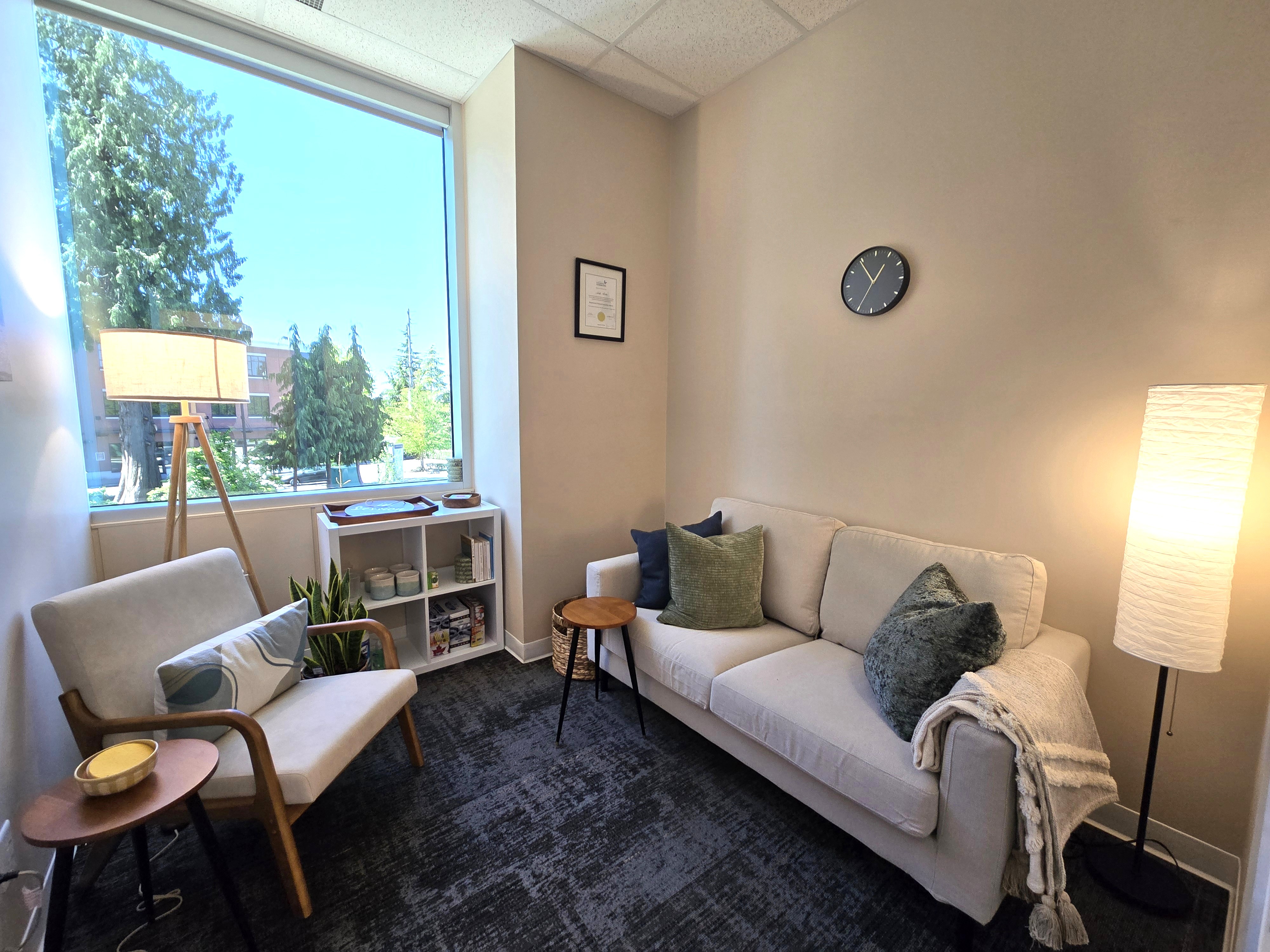
Yes. I offer in-person therapy in Surrey, BC, and online therapy across British Columbia and Ontario.
What happens during a free consultation?
We talk about what has been hard, what you hope will change, and whether working together feels like a good fit.
You do not have to keep proving your worth.
Therapy can help you feel more sure of yourself, more honest about what you need, and less ruled by fear and self-doubt.
Book a Free 30-Minute ConsultationIn-person self-esteem therapy in Surrey, BC. Online therapy across Ontario and British Columbia.